Hello, Everyone! As promised, since I’ve been writing a lot of posts lately about my travels and astronomy adventures, I will take some time to write about the development of vessels, space stations, and settings that are found in my novels. And I offer a hearty welcome to my new subscribers. I hope you enjoy the content!
Looking back, it’s strange to me how some very innocuous and random things would get fixed in my mind and how a story, or at least a setting, would start to build itself around it. (Sometimes I explain my writing process to people who meet me at the conventions, but I know that not all of you can make it to those events so I will explain them for you here.)
I sometimes like to say that writing a novel is a lot like making a stew. You add the water, vegetables, meat (if preferred), and seasoning, then you put it on the stove to simmer. Once it’s ready, you ladle it out into the bowls. Writing a novel is a similar process. You think of a story and characters and a setting, write down your ideas in a synopsis or outline (so they don’t get away – it happens), and then let it sit awhile and cook as you mull over it in your spare time. Sometimes I’m mulling my next novel while I’m in the process of writing one (sort of an “off-the-clock” activity). Then, when it’s ready, you start ladling it out in the bowls, or more accurately, you start the actual process of writing. (The fragrance of the one I’m mulling now is starting to fill the house!)
The process of writing Seed of Aldebaran was no exception. (Seed is the prequel to the AlCent Sagas series.) While in the navy I loved to go topside at night and look at the stars while we were out at sea. They are fabulous out there, and looking up at the “mack” (a combination of mast and stack on our ship) standing black against the endless stars made me wonder what it might be like to be on a warship out in space. We may call that the first ingredient.
Next to come are the characters. This was easy for Seed because I used some people that I had known on my ship, or even people I knew when I worked in the mill. Now let me say here that I have never used characters that are actual people I have known. The reason is that actual people don’t really fit into what I need for the story. Instead I use characters who are inspired by people I know. (Sometimes those people would help me to create the characters, but not often.) I might use certain attributes or attitudes, or even certain physical characteristics, but they are always fictional characters created for the story. That they are inspired by real people makes them seem more real. This is the next ingredient.
While I was mulling Seed, I was reading two books. One of them was on astronomy (obviously) and the other was on viruses and other contagious diseases. (I believe the astronomy book was by TimeLife, but after 30 years I can’t remember the title of the virus book, although the ideas have stayed with me. Shame on me. I did end up buying the very copy of the astronomy book at a “Friends of the Library” book sale and I have it on my shelf right now.) The virus book was about the history of contagious diseases, their treatments, and the future of treatments. I was reading this book in the early 1990s so in the intervening years I was able to see the future become the present. When I rewrote Seed in 2020 and 2021, I had to go back and study it all again to see where the science was now and thus be able to extrapolate back into the future again. The information intrigued me and started to work itself into a plot. This would become the next ingredient. (I’m constantly reading books about science or history.)
Finally, I stumbled upon the setting. At the time I was working as a mechanical apprentice in the paper mill in Charleston, SC and my friend Lee Shaw was showing me the various components of the rewinder of #3 paper machine. He was showing me the slitters, and that’s when it happened. The photo below is a slitter similar to the ones on our rewinder. It’s sort of a circular, rolling knife blade that can be adjusted to whatever width the customer wants.
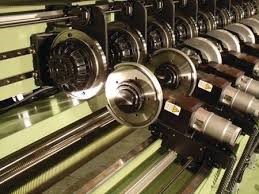
As I held the slitter in my hand, with the bearing housing and cutter at the top and the pneumatic cylinder at the bottom, I thought, “That would make an interesting space station.” (I think Yoda would’ve given me the same speech he gave to Luke about keeping his mind on what he was doing. I was the kid that wasn’t paying attention in school. Go figure.) The cutter would be a huge dish antenna, the bearing housing would be the amplifier and emitter, and the cylinder would be for the operations center, crew quarters, and power plant. Thus with the last ingredient in place, the mulling began. Soon I would hack out the rough draft and thus the original Seed of Aldebaran was born. (At the time I was working on my first novel, which has still never been typed. Then as I was writing Seed I was mulling Mariner Valley, my third novel. I first published that in 1999, but then later pulled it as I realized it could be better. In 2012 I rewrote MV and published it, and later rewrote Seed and published it in 2021.)
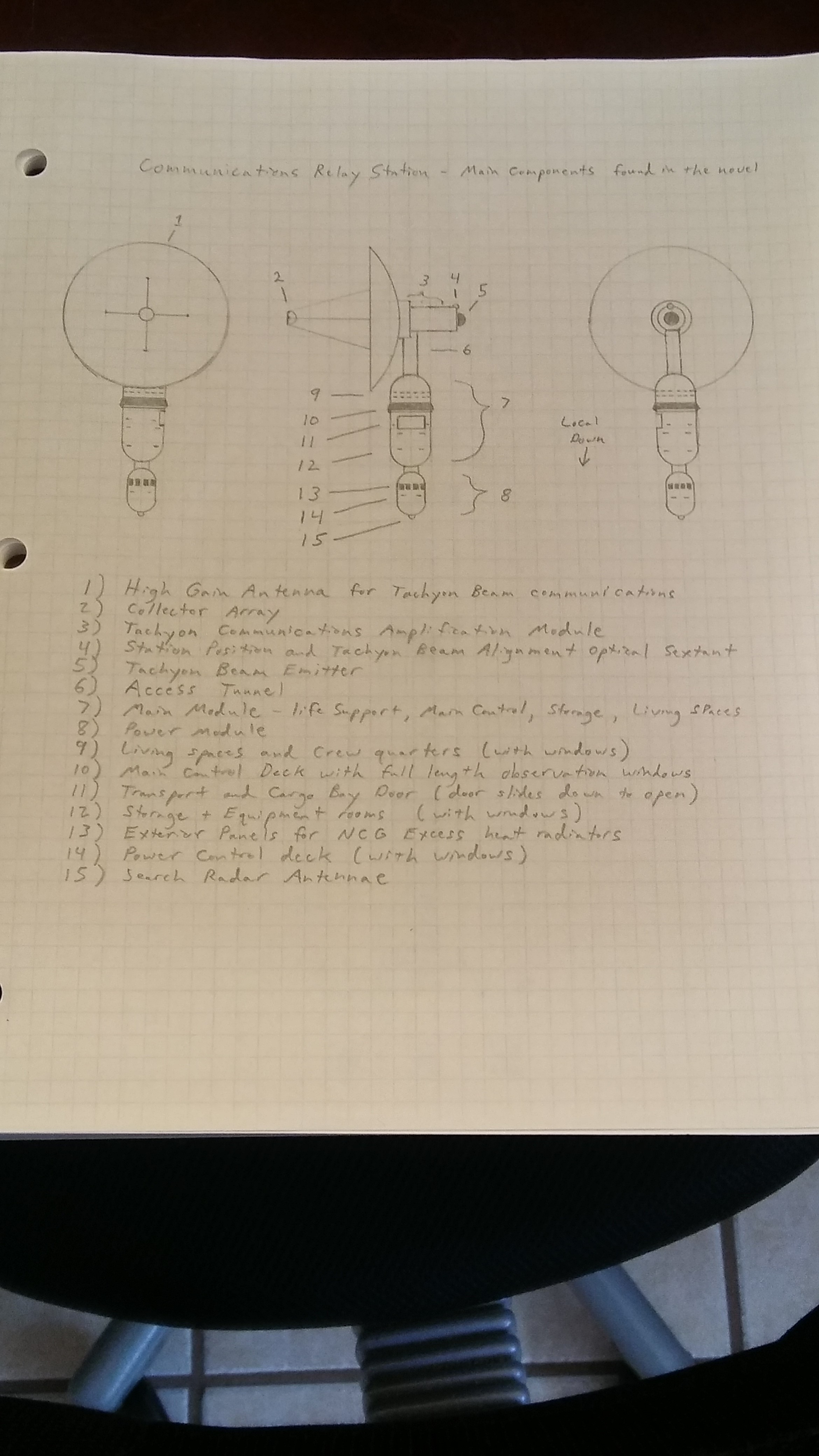
As I fleshed out the story, I also fleshed out the design of the space station, which would be designated CR3 (Communications Relay Station 3). There are 4 in all, each orbiting at equidistant positions around the star Alpha Centauri A, or AlCent A in the dialect of the people in the story. (Chart explanation – AU is an astronomical unit. 1AU is the distance from the Earth to the Sun. EM is Earth Mass.)
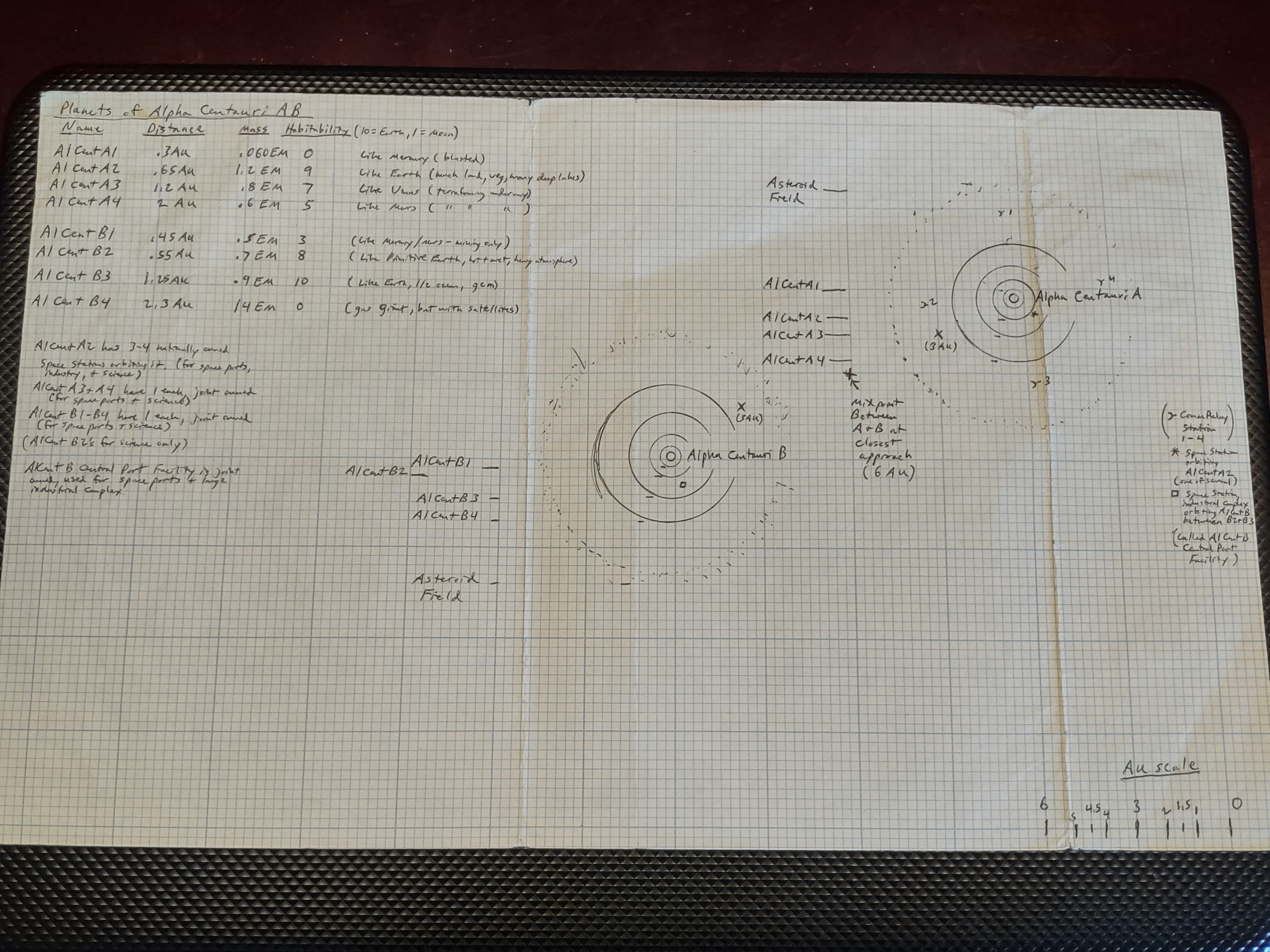
Since Alpha Centauri is a true binary star system, with an orbital period of 80 years at distances similar to the distance from Earth to Saturn and Earth to Neptune, these stations were created to speed up communications between the systems by using tachyon beams instead of radio. Their use would suggest remoteness and criticality. Their crews rotate out every 6 months.
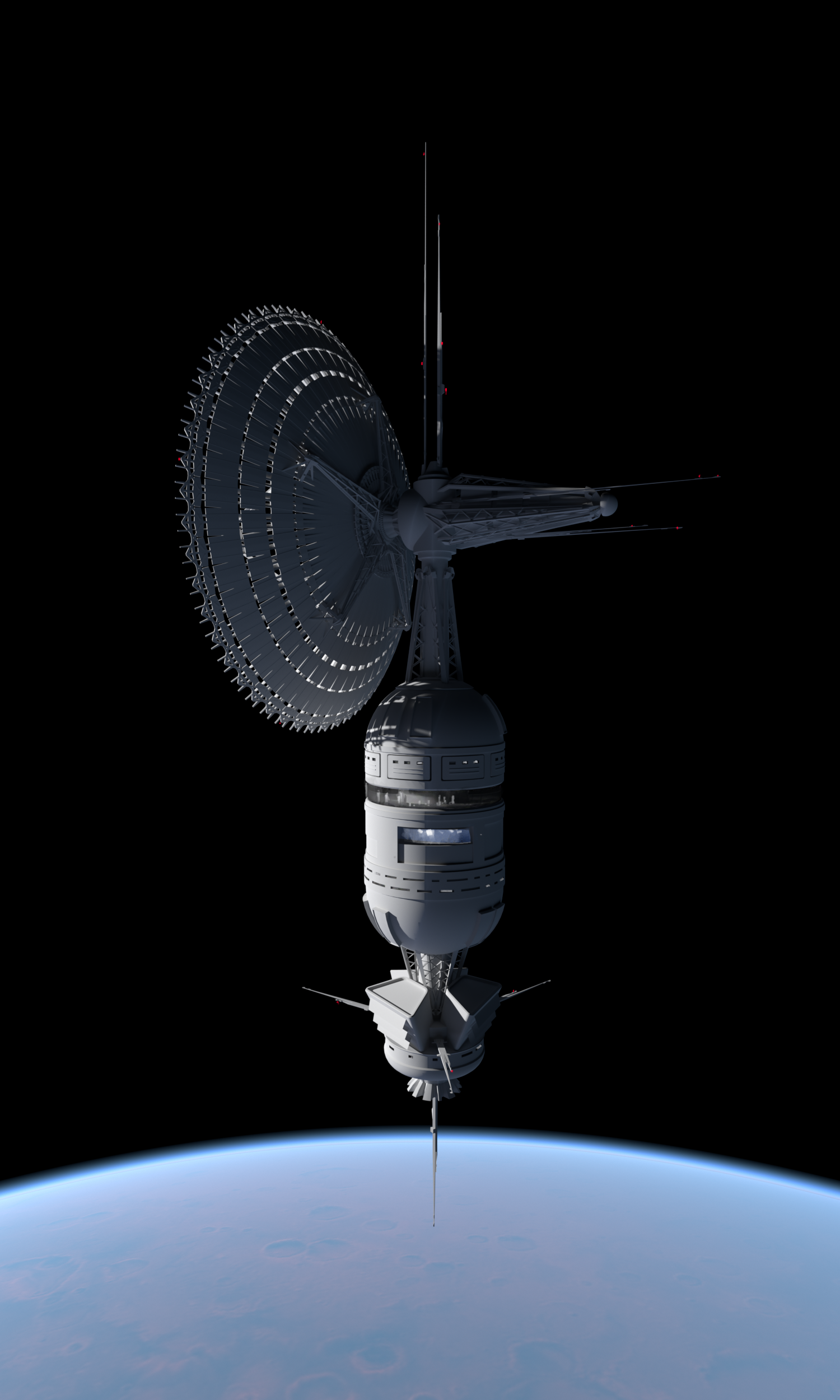
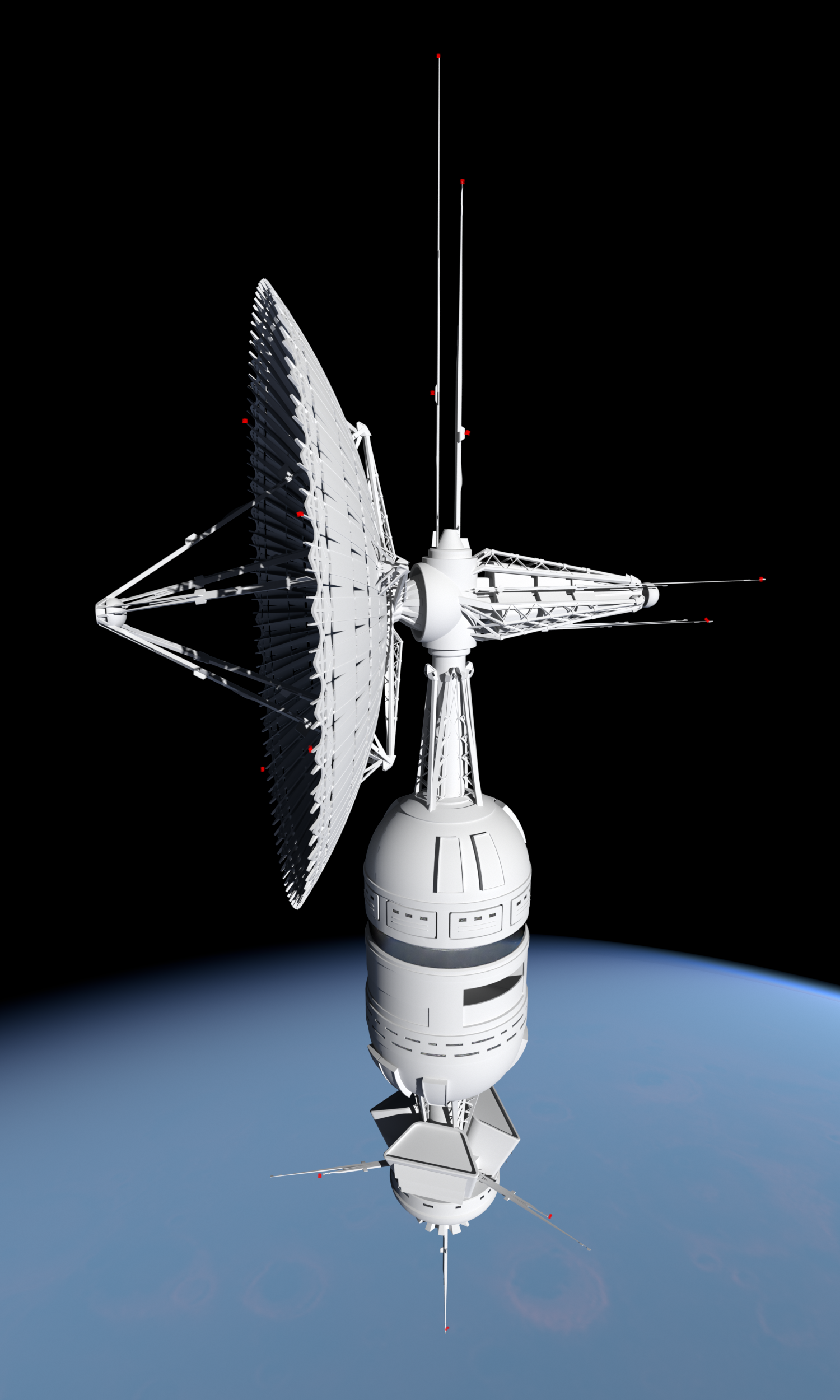
When it came time to hire a talented cover artist, I contacted Wojtek Kapusta again as he had done a wonderful job for me on Mariner Valley. I gave him the drawing above (and an improved one) and he worked his usual magic. First he developed the concept, and then he added details, and then later the background and final cover design. He is amazing.
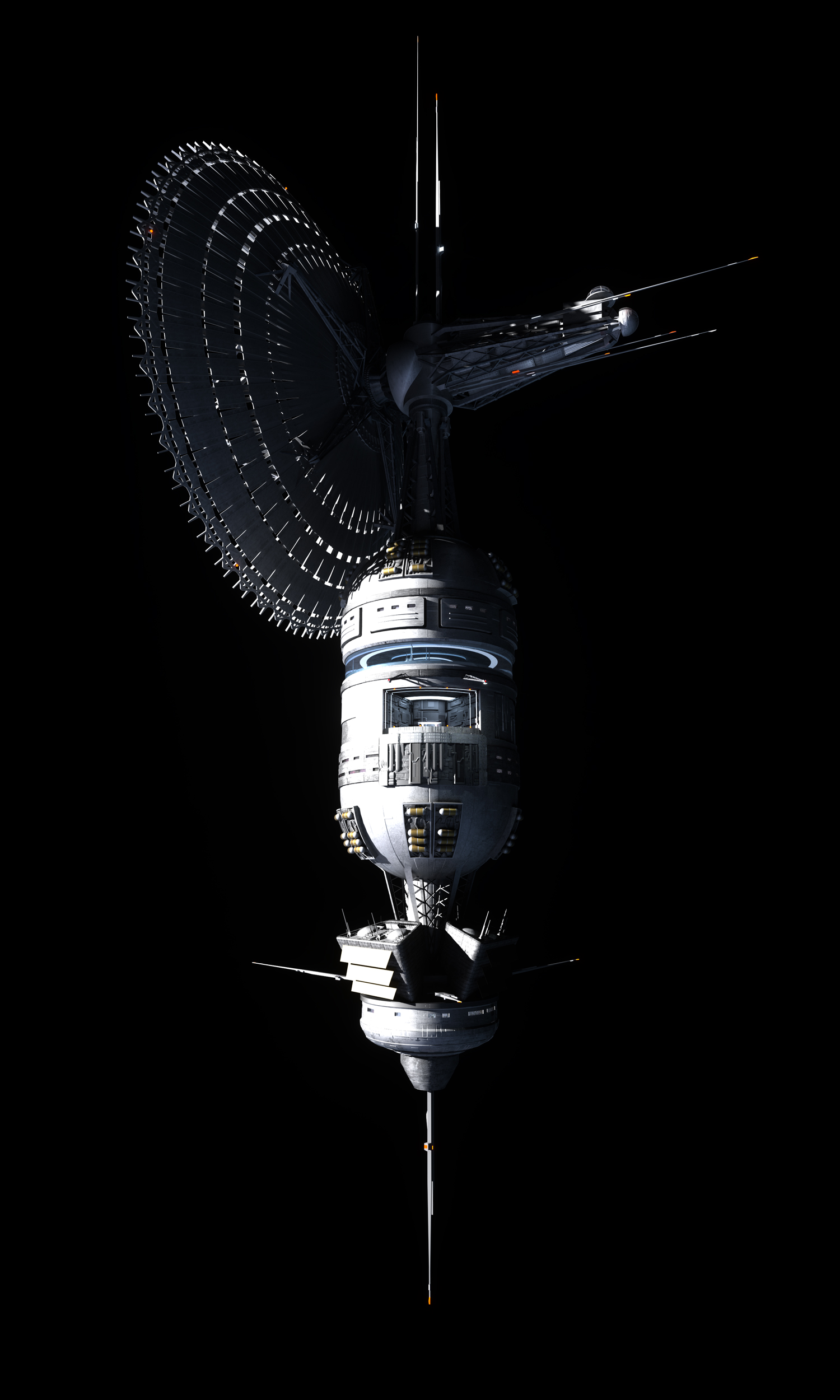
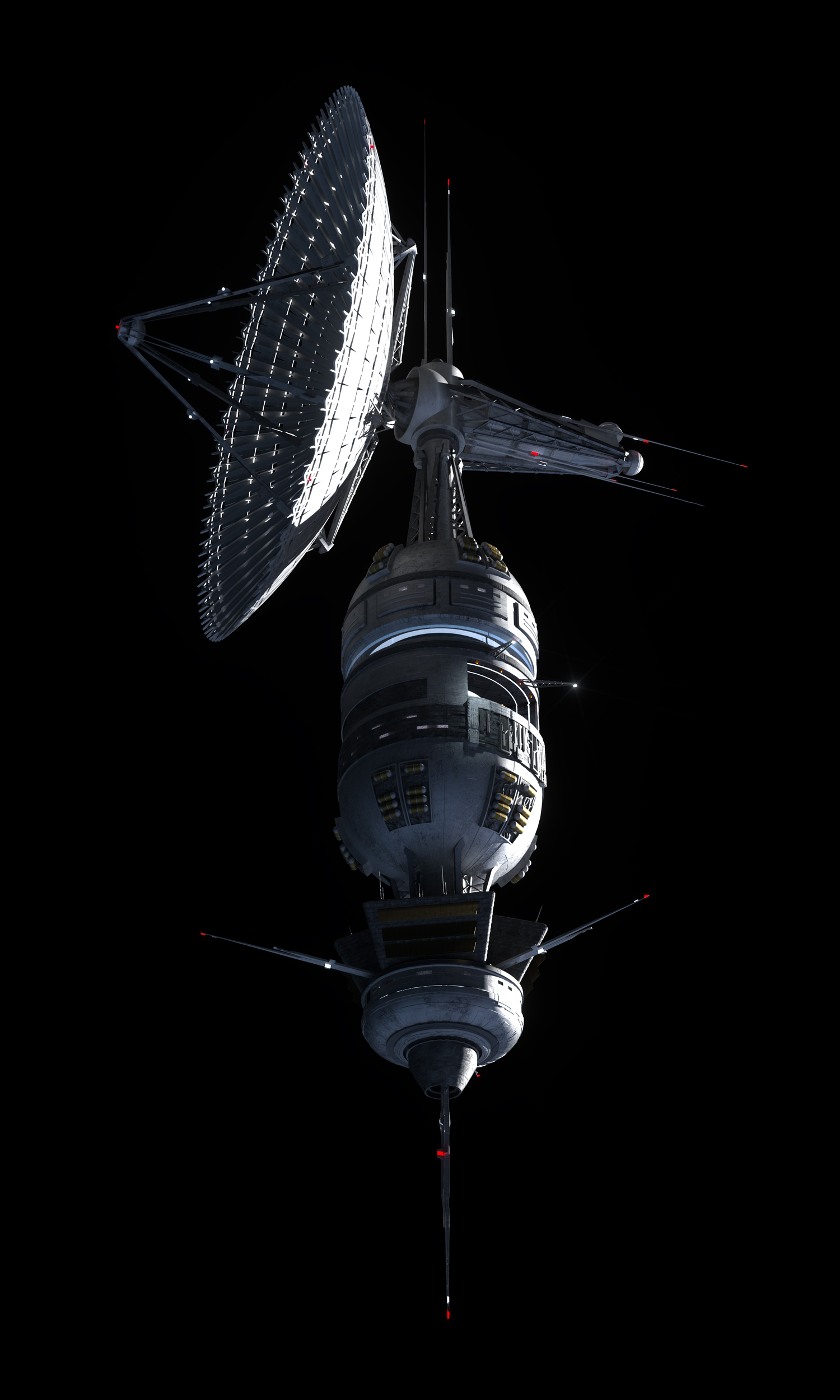
The only request I had was that he be sure to make visible the dome of the positioning sextant. This was an important place in the story as it was where Ski and Petey would go to look at the stars and have their deep conversations. This he did easily and then the final cover was complete.

I hope you enjoyed this rather long-winded explanation of the development of the CR3 station. I figured that an understanding of my writing process might be interesting as well. And if you don’t mind, please be sure to leave a review of any of my books you’ve read. You can find the links below. Reviews are the best way to convince others to take a chance on reading my work. More than just asking them to invest their money, I’m also asking them to invest their TIME in my work. Reading positive reviews of my novels can help them decide to take the plunge. Most people who read my stuff say they really like it. (It ought to be likeable. I’ve been working on my craft for over 30 years!) Until next time, I wish you happy reading!
Novels by James Crawford (available in print, eBook, and audio book) –
Mariner Valley – https://www.amazon.com/dp/B0141N9UXO
Seed of Aldebaran – https://www.amazon.com/dp/B08SHXTRMP
AlCent Sagas Book One: Formation – https://www.amazon.com/dp/B0CQ5C3TQT
AlCent Sagas Book Two: Revelation – https://www.amazon.com/dp/B0D2FRH6Q8
AlCent Sagas Book Three: Investigation – https://www.amazon.com/dp/B0D5SBFYMW
AlCent Sagas Book Four: Desperation – https://www.amazon.com/dp/B0D8767LHL
AlCent Sagas Book Five: Confrontation – https://www.amazon.com/dp/B0D9PPTX6G
A Noble Paradise – https://www.amazon.com/dp/B00QG6LZ10
Cover artist Wojtek Kapusta – https://www.artstation.com/kapucha76
Audible narrator Lyle Blaker – https://www.acx.com/narrator?p=AXZPXFQRN07M3
Discover more from james crawford
Subscribe to get the latest posts sent to your email.
 james crawford